



Have you ever bought food at the market, only to discover a few days later that some of it had spoiled? Perhaps the vegetables went bad before you could cook them, the leftover rice was forgotten in the refrigerator, or the fruits you bought in large quantities were no longer fresh.
It happens in many Nigerian homes. And when food goes to waste, it is not just the food we lose. We also lose the money, time and effort spent buying and preparing it.
The good news is that reducing food waste does not require a complete change in your lifestyle. With a few simple habits, you can make better use of the food you buy, save money and keep your kitchen more organized.
At ORI Foods Global, we believe that making thoughtful food choices includes taking care of the food we bring into our homes. Here are five practical ways Nigerian families can reduce food waste.
1. Plan Your Meals Before Going to the Market
One common reason food gets wasted is buying more than the household can consume.
When you visit the market without a plan, it is easy to buy extra tomatoes, vegetables, fruits or other ingredients simply because they look fresh or the price seems attractive.
Before shopping, check what you already have at home. Decide which meals you intend to prepare during the coming days and make a shopping list based on those meals.
For example, if you plan to prepare jollof rice, vegetable soup and beans during the week, buy ingredients according to the quantities you need.
Meal planning helps you avoid unnecessary purchases and makes it easier to manage your food budget.
2. Store Your Food Properly
Buying fresh food is only the first step. How you store it after shopping also matters.
Different foods have different storage needs. Leafy vegetables generally last longer when refrigerated appropriately, while onions and potatoes are usually best kept in cool, dry, well-ventilated places.
Meat, fish and other perishable foods should be refrigerated promptly or frozen if they will not be used soon. Keep raw meat and seafood separate from ready-to-eat foods to prevent contamination.
It is also helpful to keep your refrigerator organized. When food is easy to see, you are less likely to forget about it until it spoils.
Good storage habits can help you get more value from every market trip.
3. Learn to Make Good Use of Leftovers
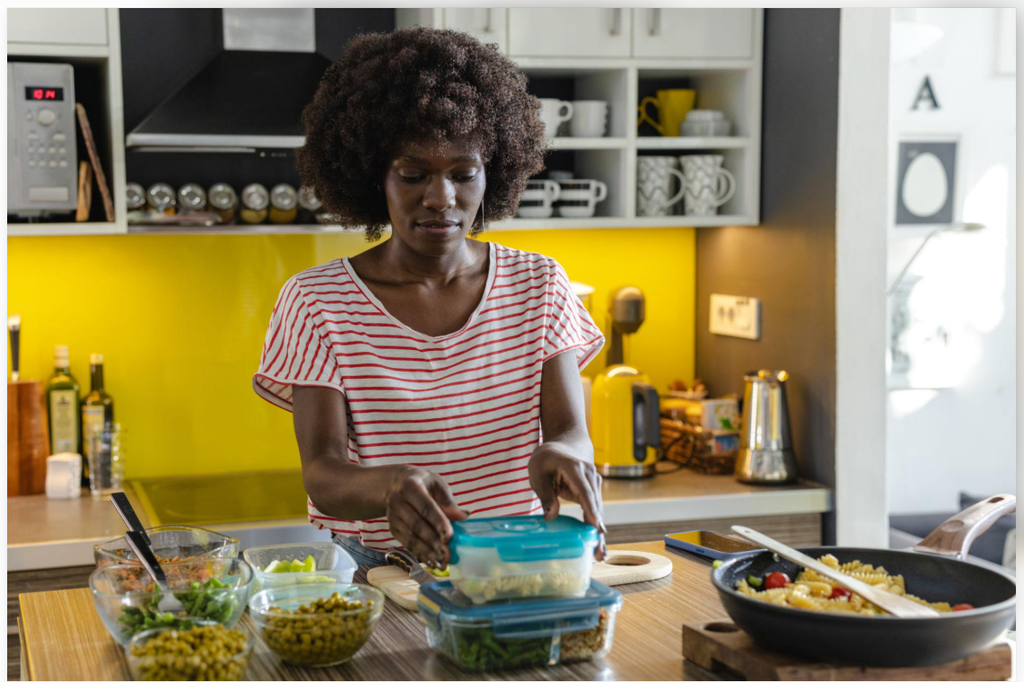
Leftovers do not always have to end up in the bin. When handled and stored safely, they can become part of another enjoyable meal.
For instance, leftover cooked rice can be used to prepare fried rice the following day. Extra cooked vegetables may be incorporated into a fresh meal, while suitable leftover stew can accompany yam, rice or other dishes.
The important thing is to store leftovers safely. Refrigerate perishable cooked food promptly, ideally within two hours of cooking, and use suitable covered containers. Reheat food thoroughly before eating.
However, never assume that food is safe simply because it looks or smells fine. If it has been stored improperly or you are unsure how long it has been left out, it is safer to discard it.
With a little creativity and proper food handling, you can reduce waste without making your meals boring.
4. Buy Food in Quantities You Can Manage
Buying in bulk can sometimes save money, but only when you can store and use the food before it deteriorates.
For a small household, buying a large quantity of fresh vegetables or fruits may not be practical if there is no plan to consume or preserve them.
Consider your household size, available storage space and how frequently you cook before deciding how much to buy.
You can also divide larger quantities of meat, fish and other suitable foods into smaller portions before freezing them. This allows you to take out only what you need instead of repeatedly thawing a large quantity.
Smart buying is not about purchasing the most food. It is about purchasing the right amount for your needs.
5. Turn Food Management into a Family Habit
Reducing food waste becomes easier when everyone in the household participates.
Children can learn to take only the food they can reasonably eat. Adults can check the refrigerator before shopping, label stored food with dates and make sure older items are used first.
You can also establish a simple routine: review the food in your kitchen once or twice a week and identify ingredients that should be used soon.
For example, if you notice that some vegetables need to be used quickly, you can plan a meal around them rather than buying new ones and allowing the older vegetables to spoil.
Small actions, repeated consistently, can make a meaningful difference over time.
Every Meal Counts
Reducing food waste is not about achieving perfection. It is about becoming more thoughtful about what we buy, how we store it and how we use it.
By planning meals, storing food correctly, making good use of leftovers, buying sensible quantities and involving the whole family, Nigerian households can reduce unnecessary waste and make their food budgets go further.
Food is valuable, and the effort that goes into producing, transporting, buying and preparing it should not be taken for granted.
At ORI Foods Global, we believe that better food choices extend beyond the products we purchase. They also include how responsibly we use the food we already have.
The next time you shop for food, ask yourself one simple question: “How can I make sure that what I buy is put to good use?” That small question could be the beginning of a better habit for your home, your budget and your community.